

From clinical needs and image quality to workflow, software and long-term support, these 10 questions will help guide a smarter investment decision.
1. What are your treatment objectives?
Consider the procedures you currently perform, as well as the treatments you and your associates plan to offer over the next 5–7 years. A CBCT should support your current clinical requirements while providing the capability to expand your services over time.
Think beyond today’s needs. The right imaging investment should continue to support your practice as it grows.
2. Can the CBCT adapt to different clinical needs?
No two patients or procedures are the same, and not every case requires the same field of view (FoV).
A CBCT with flexible FoV options allows clinicians to select the appropriate scan size for each indication capturing the anatomy required while helping optimise image quality and radiation dose.
When comparing systems, consider whether the CBCT provides the flexibility needed across a broad range of clinical applications.
3. Does the CBCT investment align with your long-term goals?
A CBCT is more than a purchase, it is a long-term investment in your practice.
Consider where your practice is heading and whether the system you choose can continue to support your goals as your clinical needs evolve.
The right CBCT should provide the capability, flexibility and technology roadmap to support your practice today while preparing you for tomorrow’s opportunities.
4. How easy is it to use?
Advanced imaging should not mean complicated workflows.
A user-friendly CBCT system can help your team confidently capture scans, reduce complexity and integrate imaging into everyday practice.
Look for intuitive workflows, straightforward image acquisition and software designed to support your team. The easier a system is to use, the more effectively your practice can incorporate CBCT into routine clinical care.
5. Does the software improve your workflow?
The scan is only the beginning. The software behind your CBCT plays an important role in how efficiently your team can access, analyse and share imaging information.
The right imaging software should simplify everyday tasks, support confident diagnosis and integrate seamlessly into your practice.
Modern CBCT software is evolving beyond image viewing. AI-powered tools can help streamline workflows through features such as automated segmentation, anatomical tracing, cephalometric analysis and treatment planning support.
The best software should complement the way your team works not create additional complexity.
6. Can you see the details that matter?
Diagnostic confidence starts with image quality.
A CBCT is only as powerful as the information it captures. When comparing systems, look beyond specifications and take the time to review clinical images.
High-resolution 3D imaging helps clinicians evaluate anatomical structures with clarity, supporting confident diagnosis and treatment planning across a wide range of applications.
The true measure of an imaging system is not just the numbers on a brochure it is the quality of clinical information it provides.
Because every detail matters.
7. How does the system manage artefacts?
High-quality imaging is only useful when important information remains visible.
Restorations, implants and metallic materials are common in everyday clinical cases, but they can create artefacts that affect image interpretation and obscure important anatomical structures.
When evaluating a CBCT system, consider the technologies available to help manage these challenges.
Advanced image processing and artefact reduction tools can improve visibility and support more confident diagnosis, particularly in complex cases.
The best CBCT systems are designed not only to capture detail but to help clinicians see the full clinical picture.
8. Will the system fit in your practice?
After considering clinical capabilities, software, workflow and image quality, the next consideration is practical: does the system suit your practice environment?
A CBCT is a long-term investment, so it is important to choose a system that not only meets your current and future clinical needs but also fits within your available space.
Before purchasing, consider:
-
Available room dimensions
-
Patient accessibility and comfort
-
Installation & shielding requirements
A future-ready system should also provide flexibility as your practice evolves. Additional capabilities, such as a cephalometric arm, should be available when required, with configuration options to suit your space and workflow.
The right imaging solution should work seamlessly in your practice today while giving you the flexibility to adapt for tomorrow.
9. Is the manufacturer a reputable brand?
Choosing a CBCT is not only about selecting a system, it is also about choosing the manufacturer behind it.
A trusted imaging partner provides confidence well beyond the day of installation.
When evaluating a manufacturer, consider a manufacturer with a history of innovation, a committment to quality and a local partner who will support your practice long after installation.
With more than 30 years of CBCT innovation, Newtom has played a significant role in the evolution of 3D dental imaging. Combining advanced technology with practical solutions, Newtom systems are designed to support clinicians with high-quality imaging, intelligent workflows and future-ready capabilities.
10. What happens after installation?
The real value of a CBCT system extends well beyond installation day.
A trusted imaging partner should provide ongoing support throughout the life of your system, including:
-
Local technical support
-
Comprehensive training
-
Responsive service
-
Long-term imaging expertise
At Inline Imaging, we believe support is just as important as the technology itself. From installation and training through to ongoing service, our team is committed to helping practices get the most from their imaging investment.
Choosing the right CBCT with confidence
Selecting a CBCT system is a decision that will influence your practice for many years. By looking beyond specifications and considering clinical needs, workflow, future growth and ongoing support, you can choose an imaging solution that delivers lasting value.
At Inline Imaging, we partner with practices to provide advanced imaging solutions backed by expert guidance, training and ongoing support.
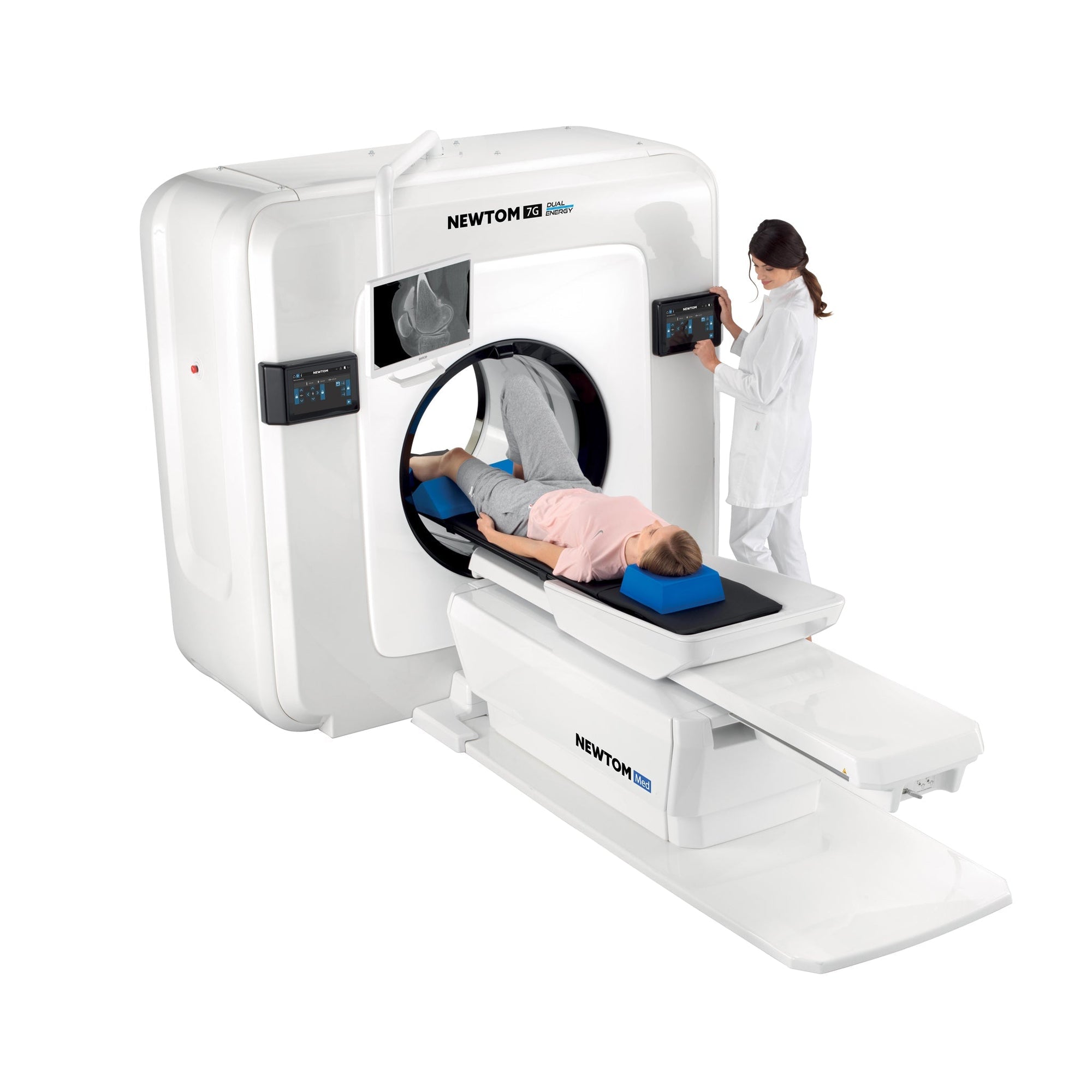
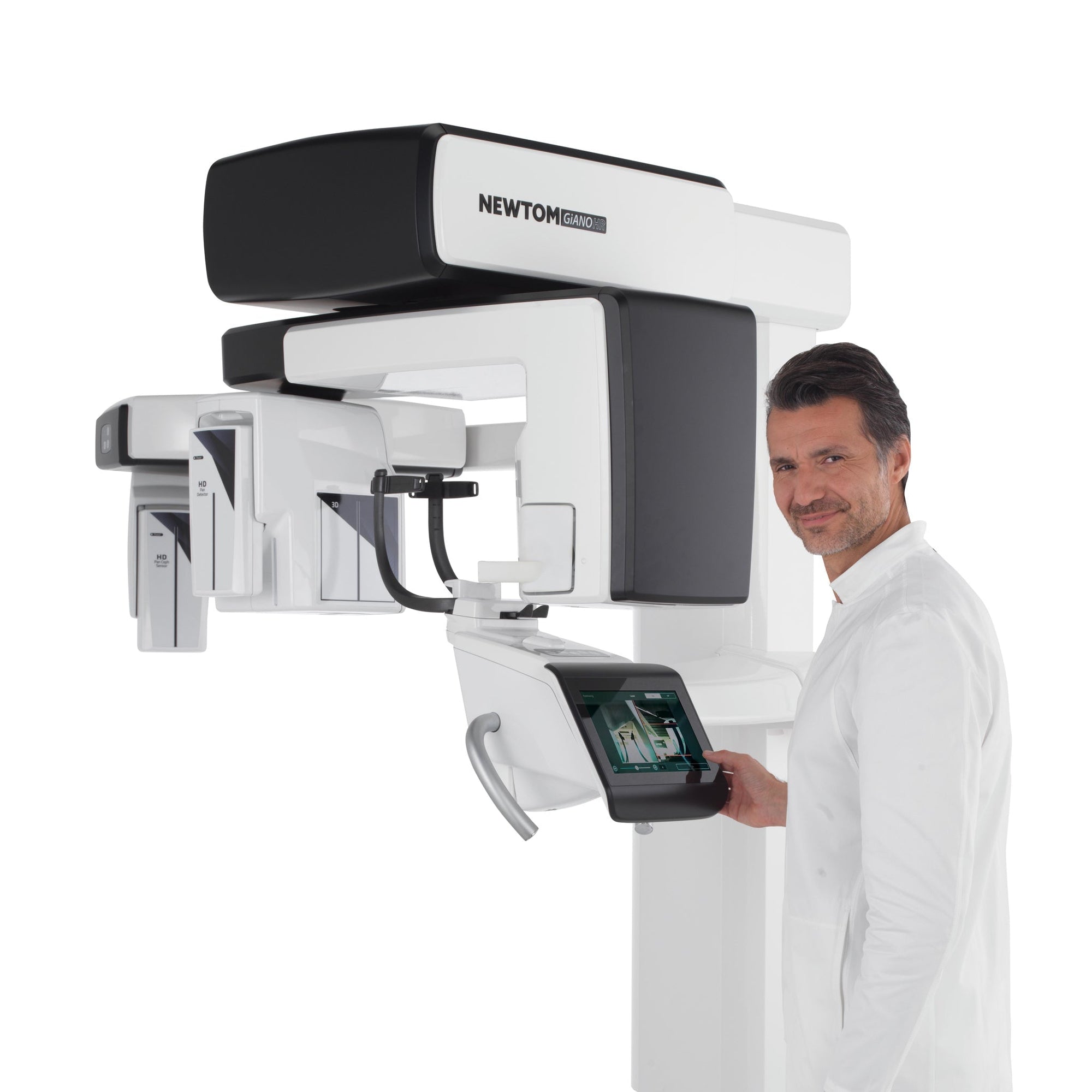
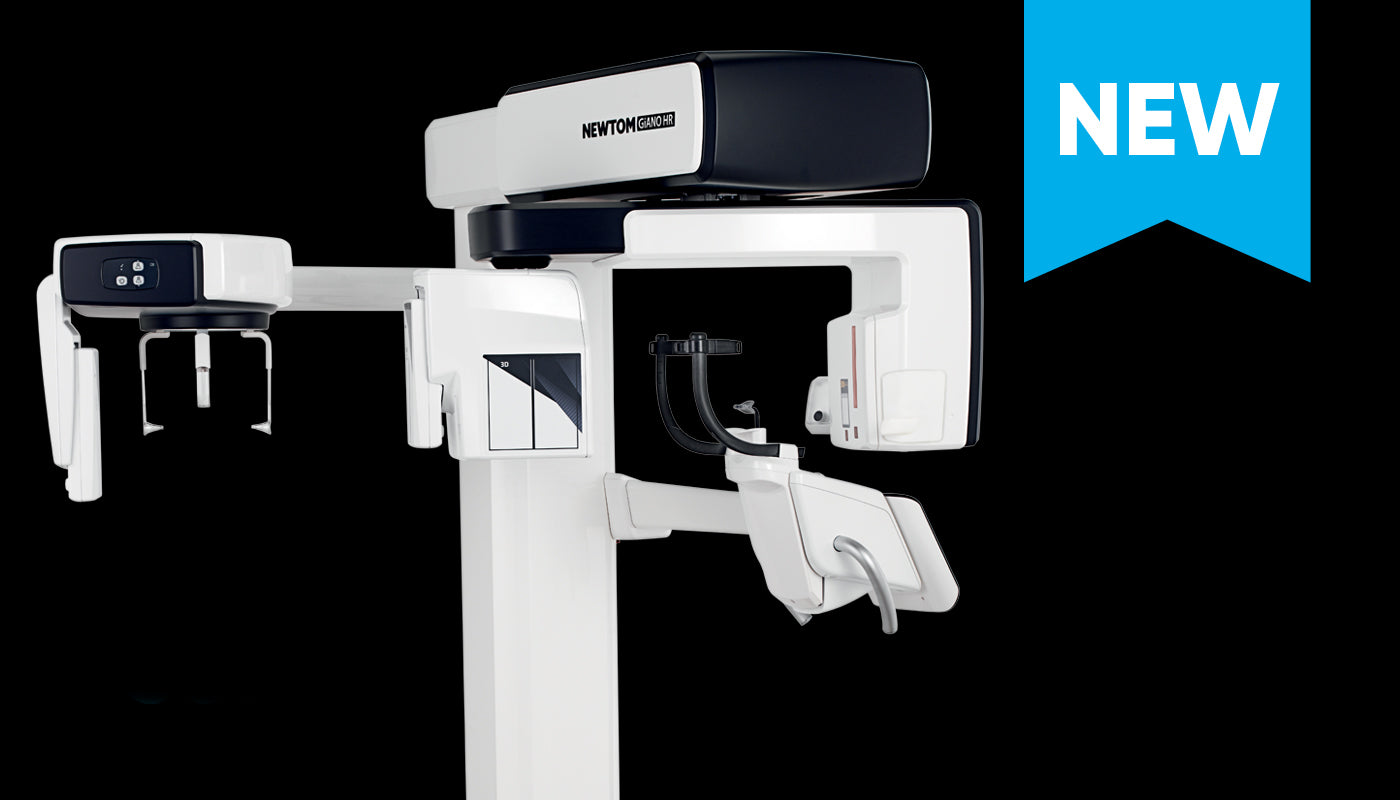
Discover the Newtom CBCT range and find an imaging solution designed to support your practice today and into the future.

|
 |
 |
 |
| NEWTOM VG-One | NEWTOM GiANO HR FullView | NEWTOM 5G XL | NEWTOM 7G |