


From diagnosis to patient understanding
A clinical examination provides an important starting point, but there are conditions and anatomical structures that simply cannot be fully appreciated from the surface.
CBCT imaging gives clinicians access to detailed three-dimensional views of the anatomy, helping reveal information that may otherwise remain hidden. This additional diagnostic information can support a more comprehensive assessment and help clinicians approach treatment planning with greater confidence.
But the value of advanced imaging doesn't stop with the clinician.
The same images that support diagnosis can become a powerful communication tool when discussing findings and treatment options with patients.
Instead of simply explaining what is happening, dentists can show patients.
And sometimes, seeing the problem makes all the difference.
Turning complex information into clearer conversations
Dental terminology and treatment recommendations can be difficult for patients to understand. Even when a clinician provides a clear explanation, patients may struggle to visualise what is happening beneath the surface.
Detailed 3D imaging provides a visual reference that can help bridge that gap.
By showing patients their own anatomy and highlighting areas of concern, clinicians can create more meaningful conversations around diagnosis and treatment. Visual explanations can help patients better understand why a particular treatment has been recommended, what it involves and the potential consequences of leaving an issue untreated.
When patients understand the reason behind a recommendation, they can be more engaged in the conversation and better equipped to make informed decisions about their care.
Newtom imaging solutions
Newtom brings together advanced CBCT technology and intelligent software to support clinicians from diagnosis through to patient communication.
VG-One: Advanced imaging in a compact footprint
For practices looking to introduce or expand their 3D imaging capabilities, the VG-One combines 2D and 3D imaging in a compact system designed to fit standard X-ray rooms.
With multiple fields of view and advanced imaging capabilities, VG-One provides clinicians with the flexibility to capture the level of anatomical detail required for a broad range of clinical applications.
Its compact design makes advanced CBCT technology accessible without requiring the footprint of a larger imaging system.
GiANO HR FullView: More detail for more informed diagnostics
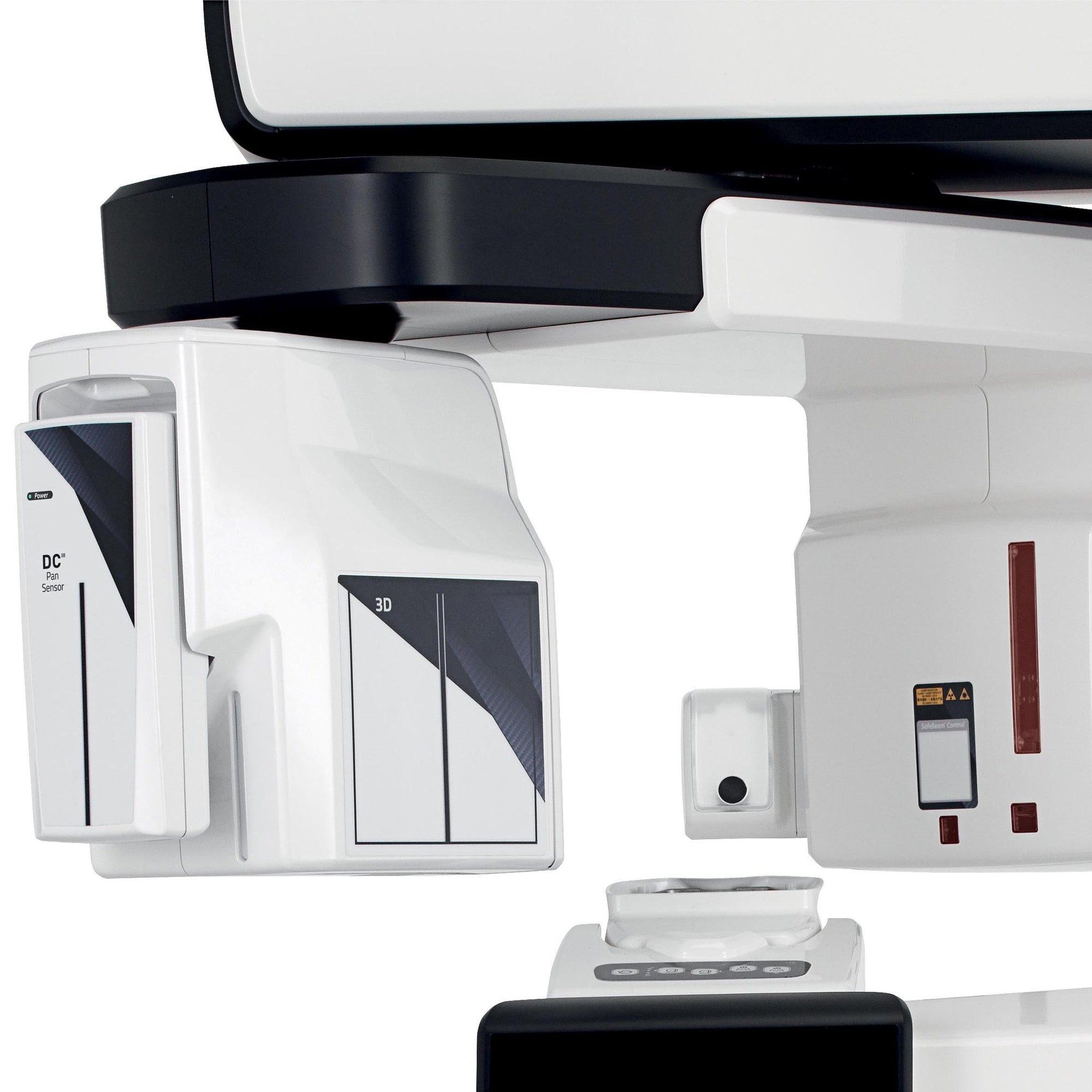
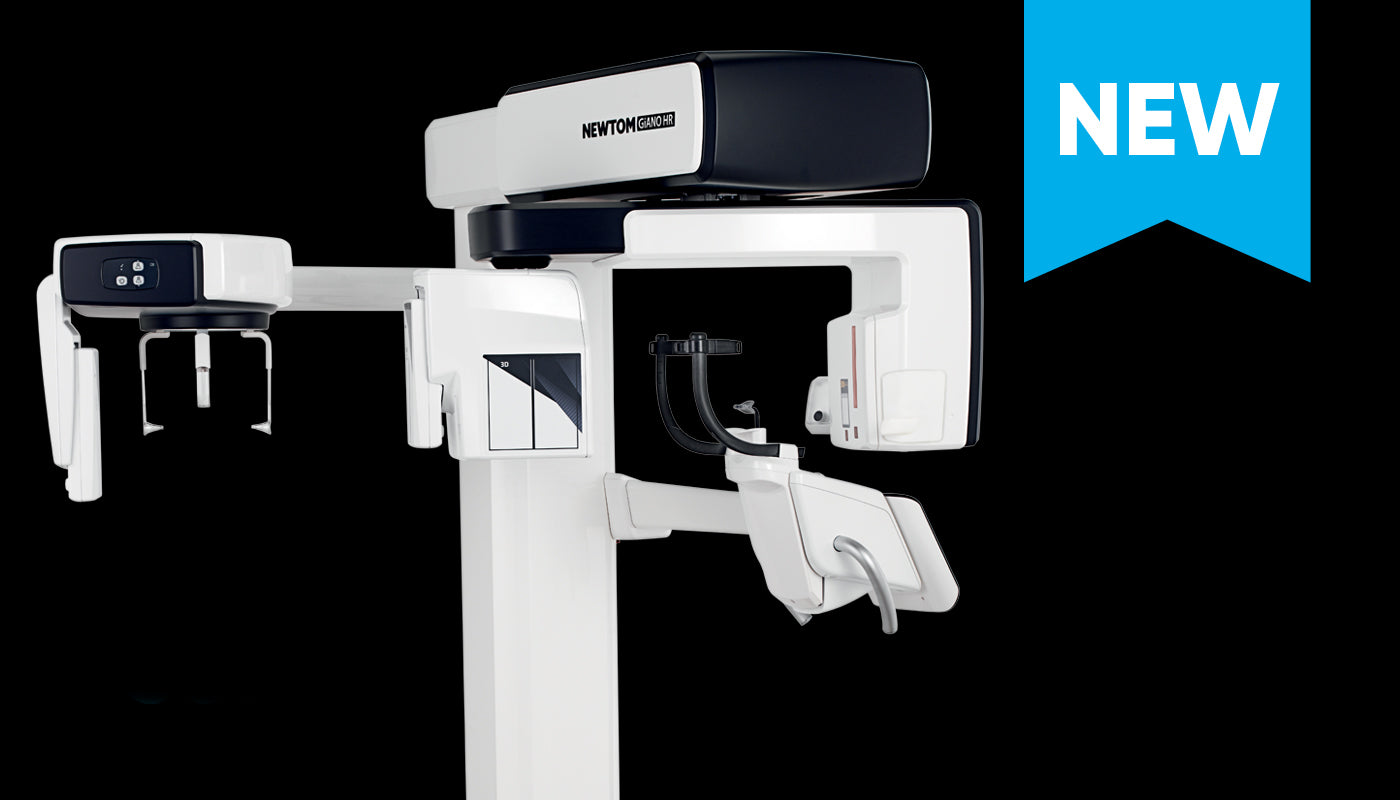
For practices seeking advanced diagnostic capabilities, the GiANO HR FullView combines high-resolution CBCT imaging with advanced sensor technology and a comprehensive range of imaging functions.
Its direct-conversion detector technology is designed to deliver exceptional image quality and detailed anatomical information, supporting clinicians across complex diagnostic and treatment-planning requirements.
With multiple FOV options and advanced dose management technologies including SafeBeam™, GiANO HR FullView is designed to provide the detail clinicians need while helping optimise patient exposure.
NeoWise AI: Making imaging more intelligent
Advanced imaging provides the information. NeoWise AI helps clinicians make more of it.
NeoWise brings intelligent tools into the imaging workflow to support image review, analysis and treatment planning. Depending on the application, features can include panoramic curve generation, mandibular nerve tracing, segmentation, cephalometric analysis, airway identification and Smile Design.
Its 3D viewer can also bring together CBCT data with facial and intraoral scan information, helping clinicians create a more comprehensive visual representation of the patient.
This can be particularly valuable when communicating treatment options. Rather than relying solely on verbal explanations, clinicians can use visual information to help patients understand their anatomy and see how different treatment considerations relate to their individual case.
Better imaging. Clearer communication. More confident conversations.
The role of CBCT extends beyond capturing a diagnostic image.
VG-One and GiANO HR FullView, powered by the intelligence of NeoWise, bring advanced 3D imaging and AI-supported tools together to help clinicians see more, explain more and plan with greater confidence.
Because when patients can see the reason behind a recommendation, they can better understand the value of their care.